🚀 Still Doing Marketing Manually? Here's Why Automation Wins
Marketing has changed dramatically over the past few years. Businesses that once relied on spreadsheets, manual email campaigns, and repetitive social media posting are now embracing automation to save time, increase efficiency, and deliver better customer experiences. If you're still handling every marketing task manually, you could be missing valuable opportunities to grow your business.
Marketing automation isn't about replacing human creativity—it's about empowering marketers to focus on strategy while technology handles repetitive tasks. Whether you're a startup, a small business, or a growing enterprise, automation helps you work smarter, not harder.
What is Marketing Automation?
Marketing automation is the use of software and technology to automate repetitive marketing activities such as email campaigns, lead nurturing, customer segmentation, social media scheduling, CRM updates, and performance tracking.
Instead of spending hours performing routine tasks, automation allows businesses to:
- Send personalized emails automatically
- Schedule social media content in advance
- Track customer interactions
- Score and nurture leads
- Generate detailed performance reports
- Improve customer engagement across multiple channels
The result? Higher productivity, stronger customer relationships, and increased revenue.
The Challenges of Manual Marketing
Many businesses continue using manual processes because they're familiar. However, as customer expectations rise, manual marketing becomes difficult to manage.
Common challenges include:
⏰ Time-Consuming Tasks
Creating individual email campaigns, posting on multiple social platforms, and updating customer records manually consumes valuable time.
❌ Human Errors
Manual processes often lead to mistakes such as sending emails to the wrong audience, missing follow-ups, or inconsistent messaging.
📉 Poor Lead Management
Without automation, tracking potential customers through the sales funnel becomes difficult, leading to lost opportunities.
📊 Limited Analytics
Collecting and analyzing campaign performance manually delays decision-making and reduces marketing effectiveness.
📈 Scaling Becomes Difficult
As your customer base grows, managing campaigns manually becomes nearly impossible.
Why Marketing Automation Wins
1. Saves Valuable Time
Automation handles repetitive tasks around the clock. Your marketing team can focus on creativity, campaign strategy, and customer engagement instead of administrative work.
2. Delivers Personalized Customer Experiences
Modern customers expect personalized communication. Automation tools can send customized emails, product recommendations, birthday wishes, and follow-up messages based on user behavior.
Personalization leads to:
- Higher email open rates
- Better click-through rates
- Improved customer satisfaction
- Increased sales conversions
3. Improves Lead Nurturing
Not every visitor becomes a customer immediately.
Marketing automation allows businesses to:
- Capture leads automatically
- Segment audiences
- Send targeted content
- Educate prospects
- Guide them through the buying journey
This ensures no potential customer is forgotten.
4. Boosts Sales Conversion
Automated workflows help deliver the right message at the right time.
Examples include:
- Welcome email series
- Abandoned cart reminders
- Product recommendations
- Limited-time promotional offers
- Customer re-engagement campaigns
These automated interactions significantly improve conversion rates.
5. Better Customer Segmentation
Automation platforms organize audiences based on:
- Age
- Location
- Purchase history
- Interests
- Website behavior
- Email engagement
This allows marketers to send highly relevant content instead of generic campaigns.
6. Real-Time Analytics
Automation tools provide instant insights into campaign performance, including:
- Email open rates
- Click-through rates
- Conversion rates
- Website traffic
- Customer journeys
- ROI analysis
Real-time data enables faster and smarter marketing decisions.
7. Consistent Brand Communication
Manual marketing often results in inconsistent messaging.
Automation ensures customers receive:
- Timely updates
- Consistent branding
- Scheduled campaigns
- Regular newsletters
- Promotional offers
This builds trust and strengthens brand recognition.
Popular Marketing Automation Activities
Businesses commonly automate:
- Email Marketing
- Lead Generation
- CRM Integration
- Social Media Scheduling
- SMS Campaigns
- WhatsApp Marketing
- Customer Feedback Collection
- Webinar Invitations
- Event Reminders
- Sales Follow-Ups
- Customer Onboarding
- Re-engagement Campaigns
Industries Benefiting from Marketing Automation
Marketing automation is valuable across many industries, including:
- E-commerce
- Healthcare
- Education
- Real Estate
- IT Services
- Finance
- Travel & Hospitality
- Manufacturing
- Retail
- SaaS Companies
Every business that interacts with customers can benefit from automation.
Best Practices for Successful Marketing Automation
To maximize results:
- Define clear marketing goals.
- Understand your customer journey.
- Segment your audience effectively.
- Create valuable and relevant content.
- Automate repetitive tasks—not relationships.
- Monitor campaign performance regularly.
- Test and optimize workflows continuously.
- Keep customer data updated and accurate.
- Balance automation with human interaction for a personalized experience.
The Future of Marketing Automation
Artificial Intelligence (AI) is taking marketing automation to the next level. Businesses are increasingly using AI-powered tools for:
- Predictive analytics
- Smart audience segmentation
- Automated content recommendations
- Chatbots and virtual assistants
- Personalized customer experiences
- Predictive lead scoring
As technology evolves, automation will become an essential part of every successful marketing strategy.
Final Thoughts
Manual marketing may still work for very small businesses, but it often struggles to keep pace with today's fast-moving digital landscape. Marketing automation empowers businesses to streamline repetitive tasks, personalize customer interactions, improve lead nurturing, and make data-driven decisions with greater confidence.
The most successful marketing strategies combine automation with creativity and human insight. By letting technology handle routine processes, your team can focus on building meaningful customer relationships, crafting compelling campaigns, and driving long-term business growth.
Investing in marketing automation today isn't just about saving time—it's about creating scalable, efficient, and customer-focused marketing that delivers measurable results.
Explore Our Courses
Ready to master the skills discussed in this article? Check out our comprehensive course programs designed by industry experts.
Browse Courses →Explore Our Services
Looking to implement these concepts in your organization? Our services team can help you achieve your business goals.
View Services →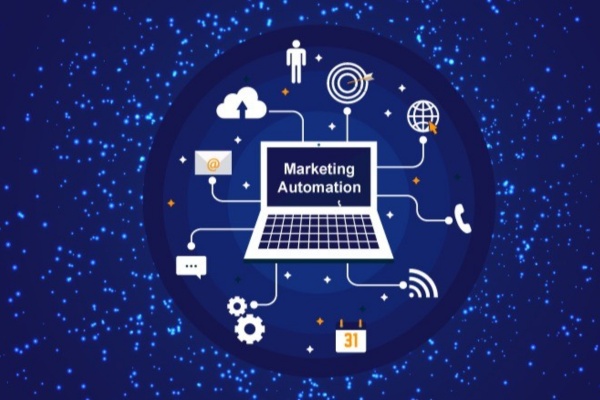

Comments
No comments yet. Be the first to comment!