🚀 Are You Using the Right Types of Digital Ads?
In today's competitive online marketplace, digital advertising has become one of the most effective ways for businesses to reach potential customers, increase brand awareness, generate leads, and drive sales. From small startups to established enterprises, businesses are investing in online advertising to connect with their target audiences and achieve measurable marketing results.
However, simply running advertisements online does not guarantee success. The real challenge is choosing the right types of digital ads for your business goals, target audience, budget, and industry. While some advertisements are excellent for building brand awareness, others are better suited for generating website traffic, attracting qualified leads, or increasing conversions.
Understanding the different types of digital advertising can help you make smarter marketing decisions, reduce unnecessary spending, and create campaigns that deliver better results.
What Are Digital Ads?
Digital ads are paid promotional messages displayed across online platforms, websites, search engines, mobile applications, social media networks, and video streaming services. They help businesses promote products, services, courses, and brands to specific audiences based on their interests, search behavior, demographics, and online activities.
Unlike traditional advertising methods, digital advertising provides tools to track campaign performance, measure customer engagement, and optimize marketing strategies using real-time data.
For example, a training institute can use Google Search Ads to reach students searching for professional courses, while a clothing brand can use Instagram Ads to showcase new collections to potential buyers.
The key is to match the advertising format with the customer's needs and the business objective.
Why Is Choosing the Right Type of Digital Ad Important?
Every advertising platform serves a different purpose. Selecting the wrong format may result in low engagement, wasted budget, and fewer conversions.
Choosing the right digital ads helps businesses:
- Reach the right audience: Connect with people who are more likely to be interested in your products or services.
- Improve brand visibility: Introduce your business to potential customers across multiple online channels.
- Generate qualified leads: Attract people who are actively searching for your offerings.
- Increase conversions: Encourage customers to complete actions such as purchasing a product, booking a consultation, or enrolling in a course.
- Optimize advertising costs: Allocate your budget to campaigns that deliver meaningful results.
- Measure performance: Track impressions, clicks, leads, conversions, and return on advertising spend.
A successful digital advertising strategy begins with a clear understanding of what you want to achieve.
1. Search Engine Advertising
Search engine advertising allows businesses to display paid advertisements on search engine results pages. Platforms such as Google Ads help advertisers reach people who are actively searching for specific products, services, or solutions.
Benefits of Search Ads
- Reach users with strong search intent.
- Generate relevant website traffic and leads.
- Target specific keywords, locations, and audiences.
- Track clicks, conversions, and campaign costs.
- Adjust bids and budgets based on performance.
When Should You Use Search Ads?
Search ads are particularly useful when customers already know what they need and are searching for a solution. They can work well for training institutes, service providers, e-commerce businesses, consultants, and local businesses.
For SoftPro9, search advertising can help reach prospective students looking for courses such as Full Stack Development, Python Programming, Data Science, and Digital Marketing.
Best suited for: Lead generation, customer acquisition, inquiries, and sales.
2. Display Advertising
Display advertising uses visual advertisements such as banners, images, graphics, and interactive creatives across websites, mobile applications, and other digital properties.
These advertisements are often used to introduce a brand to new audiences or remind existing visitors about a business.
For example, an online learning platform may display a banner promoting its upcoming programming course on relevant websites.
Benefits of Display Ads
- Increase brand awareness and visibility.
- Present products and services through visual content.
- Reach audiences based on interests and other targeting options.
- Support remarketing campaigns.
- Reinforce brand recognition across the customer journey.
When Should You Use Display Ads?
Display advertising is useful when your objective is to build brand awareness, promote an offer, or reconnect with potential customers who have already interacted with your website.
However, display campaigns should be monitored carefully because a high number of impressions does not necessarily mean that users are interested in your offering.
Best suited for: Brand awareness, remarketing, product promotion, and audience reach.
3. Social Media Advertising
Social media advertising enables businesses to promote their products and services on platforms such as Facebook, Instagram, LinkedIn, and other social networks.
These platforms offer different advertising formats, including image ads, video ads, carousel ads, lead forms, and sponsored content.
Social media ads can be targeted using available audience characteristics, interests, behaviors, and professional information, depending on the platform.
Benefits of Social Media Ads
- Reach audiences based on campaign objectives and targeting options.
- Showcase products through engaging visual content.
- Generate leads using platform-based forms.
- Promote events, offers, courses, and services.
- Encourage engagement and website visits.
- Retarget eligible audiences who have previously interacted with your business.
When Should You Use Social Media Ads?
Social media advertising is suitable for businesses that want to build brand awareness, create demand, promote visually appealing products, or generate inquiries.
For example, SoftPro9 can promote its training programs through Facebook and Instagram campaigns featuring course benefits, practical learning opportunities, and enrollment information.
LinkedIn advertising may be more suitable for reaching professional audiences or promoting business-to-business services.
Best suited for: Brand awareness, engagement, lead generation, and audience building.
4. Video Advertising
Video advertising uses short-form or long-form video content to communicate a message, demonstrate a product, explain a service, or tell a brand story.
Video ads can appear on YouTube, social media feeds, streaming platforms, and other digital channels.
Videos often make complex information easier to understand because they combine visuals, sound, demonstrations, and storytelling.
Benefits of Video Ads
- Demonstrate how a product or service works.
- Explain course features and learning outcomes.
- Communicate brand values through storytelling.
- Showcase testimonials and customer experiences.
- Capture attention through engaging visual content.
When Should You Use Video Ads?
Video advertising can be effective when your audience needs more information before making a decision. It is especially useful for product demonstrations, tutorials, training programs, event promotions, and brand storytelling.
For example, a training institute can create a short video showing course modules, practical projects, instructor-led sessions, and career-oriented learning opportunities.
Best suited for: Brand storytelling, product demonstrations, engagement, and consideration.
5. Native Advertising
Native advertising is a paid promotional format designed to blend naturally with the surrounding content of a website or platform while remaining identifiable as advertising.
Examples include sponsored articles, promoted recommendations, and paid content placements.
Unlike traditional banner ads, native advertisements often focus on providing useful information or addressing a specific audience problem.
Benefits of Native Ads
- Deliver information in a content-focused format.
- Introduce audiences to educational or informative material.
- Support content marketing strategies.
- Help businesses build awareness around complex topics.
- Direct interested readers to relevant landing pages.
When Should You Use Native Ads?
Native advertising can be useful when your business wants to educate potential customers before presenting a product or service.
For instance, a digital marketing company might promote an article explaining marketing automation, then direct interested readers to a related service page.
Sponsored content should be clearly disclosed so readers understand that the placement is paid.
Best suited for: Content promotion, education, awareness, and audience engagement.
6. Remarketing and Retargeting Ads
Remarketing and retargeting campaigns help businesses reconnect with people who have previously visited their website, interacted with an advertisement, or engaged with a business through eligible platforms.
For example, a visitor may explore a course page but leave without submitting an inquiry. A later advertisement can remind that visitor about the course and encourage them to return.
The exact audiences available depend on the advertising platform, tracking setup, consent requirements, and audience eligibility.
Benefits of Remarketing Ads
- Re-engage interested visitors.
- Remind potential customers about products or services.
- Encourage users to complete unfinished actions.
- Promote relevant offers to eligible audiences.
- Support conversions throughout the customer journey.
When Should You Use Remarketing Ads?
Remarketing can be useful when customers need multiple interactions before making a purchase or submitting an inquiry.
For example, SoftPro9 could use an eligible remarketing audience to promote a relevant training program to previous course-page visitors.
Always respect applicable privacy requirements, consent choices, and platform policies when using tracking technologies and personalized advertising.
Best suited for: Re-engagement, lead nurturing, repeat purchases, and conversions.
7. Shopping and Product Listing Ads
Shopping ads are designed primarily for businesses selling products online. They can display product images, titles, prices, merchant information, and other relevant details directly within search or shopping experiences.
These formats help users compare products before visiting an online store.
Benefits of Shopping Ads
- Display products with images and pricing.
- Reach users searching for specific items.
- Support product discovery and purchase decisions.
- Drive relevant traffic to product pages.
- Measure sales and campaign performance when tracking is configured correctly.
When Should You Use Shopping Ads?
Shopping ads are particularly useful for e-commerce businesses with product catalogs and properly configured product feeds.
For example, an online electronics store can promote laptops, accessories, and other products to users searching for those items.
Best suited for: E-commerce sales, product discovery, and purchase-focused campaigns.
8. Lead Generation Ads
Lead generation ads are designed to collect inquiries from potential customers who express interest in a product, service, or offering.
Depending on the platform, users may submit their details through an in-platform lead form or a dedicated landing page.
Typical information collected may include a name, email address, phone number, and specific inquiry details. Businesses should collect only the information they need and handle it responsibly.
Benefits of Lead Generation Ads
- Make it easier for potential customers to submit inquiries.
- Promote courses, consultations, and professional services.
- Build a pipeline of prospective customers.
- Support follow-up through sales and marketing teams.
- Measure lead volume and lead quality.
When Should You Use Lead Generation Ads?
Lead generation advertising is useful when your primary objective is to receive inquiries rather than generate immediate online purchases.
For example, SoftPro9 could promote a Data Science training program using a lead form that allows interested students to request course details.
Remember that generating many leads is not enough. Businesses should also measure lead quality, follow-up rates, enrollment rates, and the cost per qualified lead.
Best suited for: Training institutes, consultants, B2B services, and professional service providers.
9. Influencer and Creator Advertising
Influencer advertising involves collaborating with content creators who have established audiences on social media platforms or other digital channels.
Businesses may sponsor videos, product demonstrations, tutorials, reviews, or other creator-led content to introduce their offerings to relevant audiences.
Benefits of Influencer Ads
- Introduce brands to established communities.
- Present products in relatable settings.
- Support niche audience targeting.
- Create authentic-feeling demonstrations and educational content.
- Extend the reach of a campaign through creator partnerships.
When Should You Use Influencer Advertising?
Influencer campaigns can work well when your audience trusts specific creators or regularly consumes content in your industry.
For example, an educational brand may collaborate with a technology educator to explain the benefits of learning programming skills.
Choose creators based on audience relevance, engagement quality, credibility, and campaign objectives rather than follower count alone. Sponsored collaborations should follow applicable advertising disclosure rules.
Best suited for: Brand discovery, niche audiences, product awareness, and creator-led promotions.
10. Programmatic Advertising
Programmatic advertising uses automated technology to buy and sell digital advertising inventory. Depending on the setup, advertisers can use audience signals, contextual information, campaign rules, and bidding systems to decide where and when ads should appear.
It can support display, video, audio, and other digital advertising formats.
Benefits of Programmatic Ads
- Automate advertising purchases.
- Manage campaigns across supported advertising inventory.
- Apply audience and contextual targeting options.
- Optimize bidding based on campaign objectives.
- Analyze campaign performance using available reporting tools.
When Should You Use Programmatic Advertising?
Programmatic advertising may be suitable for businesses seeking broader campaign reach, advanced media buying, or coordinated advertising across multiple channels.
However, it can require more technical knowledge, careful measurement, and sufficient budget to manage effectively.
Best suited for: Scaled advertising campaigns, automated media buying, and multi-channel reach.
How to Choose the Right Digital Ads for Your Business
Selecting the right advertising format starts with identifying your business objective. Not every business needs to use every advertising channel.
Consider the following factors before launching a campaign.
1. Define Your Marketing Goal
Decide whether you want to increase awareness, generate website traffic, collect leads, drive sales, or encourage repeat purchases.
Your goal determines which campaign formats and performance metrics are most relevant.
2. Understand Your Target Audience
Identify your audience's needs, interests, online behavior, location, and buying stage. Consider where they search for information and which platforms they use.
3. Set a Realistic Budget
Determine how much you can spend on testing, campaign delivery, and optimization. Start with a manageable budget and increase spending when results justify it.
4. Select the Right Platform
Choose platforms based on audience behavior and campaign objectives. Search ads may be useful for high-intent searches, while social media ads may help generate awareness or inquiries.
5. Create Relevant Ad Content
Use clear headlines, useful visuals, compelling messages, and a strong call to action. Your advertisement should explain the value of your offering and guide the audience toward the next step.
6. Build a Suitable Landing Page
Ensure that the page users visit after clicking an advertisement matches the message in the ad. Provide clear information, relevant benefits, and an easy way to take action.
7. Track and Optimize Performance
Monitor the metrics that align with your goals. Test different headlines, creatives, audiences, landing pages, and campaign settings to identify what works best.
Common Digital Advertising Mistakes to Avoid
Even well-designed advertisements can underperform when campaigns lack a clear strategy.
Avoid these common mistakes:
- Running ads without a defined goal: Every campaign should have a specific purpose and measurable outcome.
- Targeting an overly broad audience: Reach the people most relevant to your offering instead of spending indiscriminately.
- Ignoring mobile users: Make sure your advertisements and landing pages work well on mobile devices.
- Using weak calls to action: Tell users what to do next, such as “Explore Courses,” “Request Details,” or “Get a Quote.”
- Sending users to irrelevant pages: Match the landing page with the advertisement's message.
- Measuring clicks alone: Track qualified leads, sales, conversions, and profitability where applicable.
- Ignoring creative testing: Compare different messages and visuals to discover which combinations perform better.
- Failing to follow up with leads: Respond promptly and provide useful information to interested customers.
- Ignoring privacy and platform policies: Use appropriate consent practices and comply with advertising rules.
Avoiding these mistakes can help businesses make more informed advertising decisions and use their budgets more effectively.
How to Measure the Success of Digital Ads
To understand whether your digital advertising campaigns are working, focus on performance metrics that reflect your actual business objectives.
Important metrics include:
- Impressions: How many times an advertisement was displayed.
- Click-through rate (CTR): The percentage of impressions that resulted in clicks.
- Cost per click (CPC): The average cost paid for each click in a campaign.
- Conversion rate: The percentage of relevant visitors or interactions that resulted in a desired action, based on your tracking definition.
- Cost per lead (CPL): The average advertising cost for generating a lead.
- Customer acquisition cost (CAC): The cost of acquiring a customer across the included marketing and sales activities.
- Return on ad spend (ROAS): The revenue attributed to advertising divided by advertising spend.
- Lead-to-customer rate: The percentage of leads that become paying customers.
For example, a campaign generating many clicks but very few qualified inquiries may need improvements to its targeting, offer, advertisement, or landing page.
Likewise, a campaign with a higher cost per lead may still be worthwhile if those leads convert into valuable customers.
The objective is not simply to generate more traffic. It is to achieve business results that justify the investment.
The Role of Digital Advertising in Modern Marketing
Digital advertising works best when it supports a broader marketing strategy rather than operating in isolation.
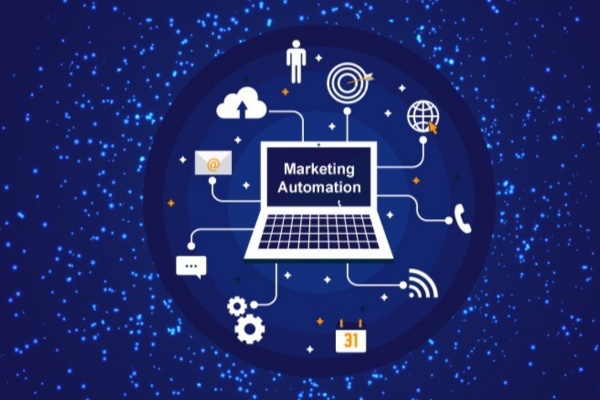
Businesses can combine paid advertising with search engine optimization, content marketing, email marketing, social media management, and marketing automation to build a more consistent customer journey.
For example, a prospective student may first discover a training institute through a social media advertisement, visit the website to explore course details, read an educational blog, and eventually submit an inquiry through a search advertisement.
A coordinated strategy helps businesses provide relevant information at each stage of the customer's decision-making process.
Conclusion: Are You Using the Right Types of Digital Ads?
Choosing the right types of digital ads can make a meaningful difference to your marketing performance. Search advertising can help capture existing demand, social media advertising can build awareness and generate inquiries, video ads can explain your offerings, and remarketing can reconnect with eligible audiences.
The most effective strategy is not necessarily the one that uses the largest number of platforms. It is the one that connects the right audience with the right message at the right time while delivering measurable business value.
Start by identifying your goals, understanding your audience, selecting suitable advertising formats, and tracking your results. Test your campaigns consistently and use performance data to make improvements.
Explore Our Courses
Ready to master the skills discussed in this article? Check out our comprehensive course programs designed by industry experts.
Browse Courses →Explore Our Services
Looking to implement these concepts in your organization? Our services team can help you achieve your business goals.
View Services →



Comments
No comments yet. Be the first to comment!