E-commerce Marketing Made Easy: Get More Visitors, Leads, and Sales
The e-commerce industry is growing faster than ever, but simply launching an online store is not enough to guarantee success. With thousands of businesses competing for customer attention, effective e-commerce marketing has become essential for attracting visitors, generating qualified leads, and increasing sales.
Whether you're running a startup, a small online store, or an established e-commerce brand, the right marketing strategy can transform your business. By combining search engine optimization (SEO), paid advertising, social media marketing, email campaigns, content marketing, and AI-powered automation, businesses can achieve sustainable growth and higher revenue.
This guide explains how modern e-commerce marketing helps businesses attract the right audience, convert visitors into customers, and maximize long-term profitability.
What Is E-commerce Marketing?
E-commerce marketing refers to the strategies and techniques used to promote online stores, products, and services through digital channels. The goal is to increase website traffic, build customer relationships, improve conversion rates, and drive more sales.
Modern e-commerce marketing includes:
- Search Engine Optimization (SEO)
- Google Shopping & Search Ads
- Social Media Marketing
- Content Marketing
- Email Marketing
- Influencer Marketing
- Conversion Rate Optimization (CRO)
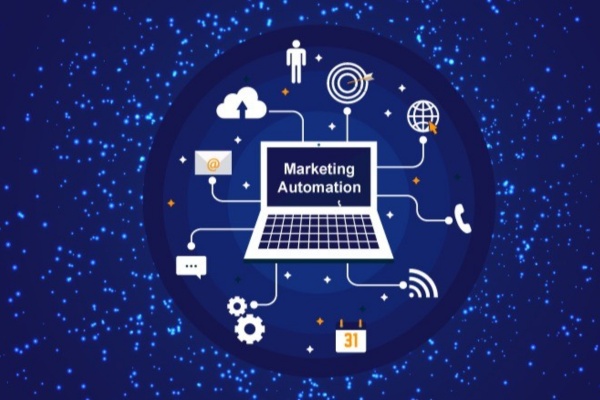
- AI-Powered Marketing Automation
- Retargeting and Remarketing Campaigns
When these strategies work together, they create a powerful customer acquisition system that drives consistent business growth.
Why E-commerce Businesses Need Digital Marketing
Many online stores struggle because they rely solely on organic traffic or occasional promotions. Successful brands understand that marketing is a continuous process.
Key Benefits of E-commerce Marketing
1. Increase Website Traffic
A well-planned marketing strategy brings targeted visitors who are actively searching for products similar to yours. SEO, Google Ads, and social media campaigns help attract high-intent customers.
2. Generate Quality Leads
Not every visitor buys immediately. Effective lead-generation strategies capture customer information through forms, offers, newsletters, and promotions, allowing businesses to nurture prospects until they are ready to purchase.
3. Boost Online Sales
Optimized product pages, persuasive content, targeted advertising, and personalized customer experiences help convert more visitors into paying customers.
4. Improve Brand Visibility
Consistent marketing increases brand awareness and builds trust among potential customers, making them more likely to choose your products over competitors.
5. Enhance Customer Retention
Acquiring a customer is only the beginning. Email marketing, loyalty programs, personalized offers, and remarketing campaigns encourage repeat purchases and long-term customer relationships.
Top E-commerce Marketing Strategies That Deliver Results
Search Engine Optimization (SEO)
SEO helps your online store appear in search engine results when customers search for products you sell.
Benefits of SEO include:
- Higher organic traffic
- Increased brand visibility
- Better customer trust
- Long-term marketing ROI
- Lower customer acquisition costs
Important SEO activities include keyword research, product page optimization, technical SEO improvements, blog content creation, and link-building strategies.
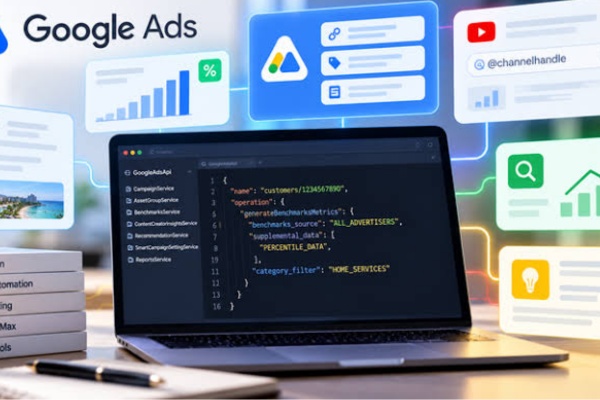
Google Ads and Shopping Campaigns
Google Ads enables businesses to reach customers at the exact moment they are searching for products.
Popular campaign types include:
- Search Ads
- Shopping Ads
- Performance Max Campaigns
- Display Advertising
- YouTube Advertising
- Remarketing Campaigns
These campaigns can quickly generate traffic, leads, and sales while providing measurable performance data.
Social Media Marketing
Platforms like Facebook, Instagram, LinkedIn, Pinterest, TikTok, and YouTube offer powerful opportunities for customer engagement.
Social media marketing helps businesses:
- Showcase products visually
- Build brand awareness
- Engage with customers
- Generate leads
- Drive website traffic
- Increase online sales
Creative content, influencer collaborations, customer testimonials, and video marketing play a major role in social commerce success.
Content Marketing
Content remains one of the most effective methods for attracting and educating customers.
Popular content formats include:
- Blog articles
- Buying guides
- Product comparisons
- How-to tutorials
- Customer success stories
- Videos and reels
- Infographics
Quality content helps customers make informed purchasing decisions while improving search engine rankings.
Email Marketing
Email marketing continues to deliver one of the highest returns on investment in digital marketing.
Successful email campaigns include:
- Welcome sequences
- Promotional campaigns
- Product recommendations
- Abandoned cart recovery
- Customer retention campaigns
- Seasonal offers
- Loyalty rewards
Personalized emails significantly improve engagement and conversions.
The Role of AI in E-commerce Marketing
Artificial Intelligence is transforming how businesses market products online.
AI-powered tools help businesses:
- Automate customer support
- Create personalized recommendations
- Generate marketing content
- Predict customer behavior
- Optimize advertising campaigns
- Improve email targeting
- Analyze customer data faster
By integrating AI into marketing workflows, businesses can improve efficiency, reduce costs, and increase sales performance.
Conversion Rate Optimization (CRO)
Getting visitors is important, but converting them into customers is even more critical.
Effective CRO strategies include:
- Faster website loading speed
- Mobile-friendly design
- Simplified checkout process
- High-quality product images
- Customer reviews and testimonials
- Clear calls-to-action
- Trust badges and security indicators
Even small improvements in conversion rates can significantly increase revenue.
Common E-commerce Marketing Mistakes to Avoid
Many businesses lose potential revenue because of avoidable mistakes.
Common issues include:
- Ignoring SEO
- Poor website user experience
- Slow page loading times
- Lack of mobile optimization
- Inconsistent branding
- Weak product descriptions
- Not tracking analytics
- Failing to retarget visitors
- Neglecting customer retention strategies
Addressing these problems can dramatically improve overall marketing performance.
Measuring E-commerce Marketing Success
Businesses should continuously monitor key performance indicators (KPIs), including:
- Website Traffic
- Conversion Rate
- Cost Per Acquisition (CPA)
- Return on Ad Spend (ROAS)
- Customer Lifetime Value (CLV)
- Average Order Value (AOV)
- Email Open Rates
- Click-Through Rates (CTR)
- Revenue Growth
Data-driven decision-making ensures marketing budgets are spent effectively.
Future Trends in E-commerce Marketing
The future of e-commerce marketing will be shaped by:
- AI-powered personalization
- Voice search optimization
- Video-first content strategies
- Social commerce growth
- Predictive analytics
- Marketing automation
- Omnichannel customer experiences
- Advanced customer segmentation
Businesses that embrace these innovations will gain a significant competitive advantage.
Conclusion
E-commerce marketing is no longer optional—it's a necessity for businesses that want sustainable growth in today's competitive online marketplace. By leveraging SEO, Google Ads, social media marketing, content creation, email campaigns, AI-powered automation, and conversion optimization, businesses can attract more visitors, generate qualified leads, and increase sales consistently.
The key to success lies in combining the right strategies, understanding customer behavior, and continuously optimizing marketing efforts. Businesses that invest in modern e-commerce marketing today position themselves for greater visibility, stronger customer relationships, and long-term profitability.
Explore Our Courses
Ready to master the skills discussed in this article? Check out our comprehensive course programs designed by industry experts.
Browse Courses →Explore Our Services
Looking to implement these concepts in your organization? Our services team can help you achieve your business goals.
View Services →

Comments
No comments yet. Be the first to comment!