Stop Losing Customers: E-commerce Strategies Every Store Owner Needs
Introduction: Why Are You Losing Customers Even When Your Online Store Gets Traffic?
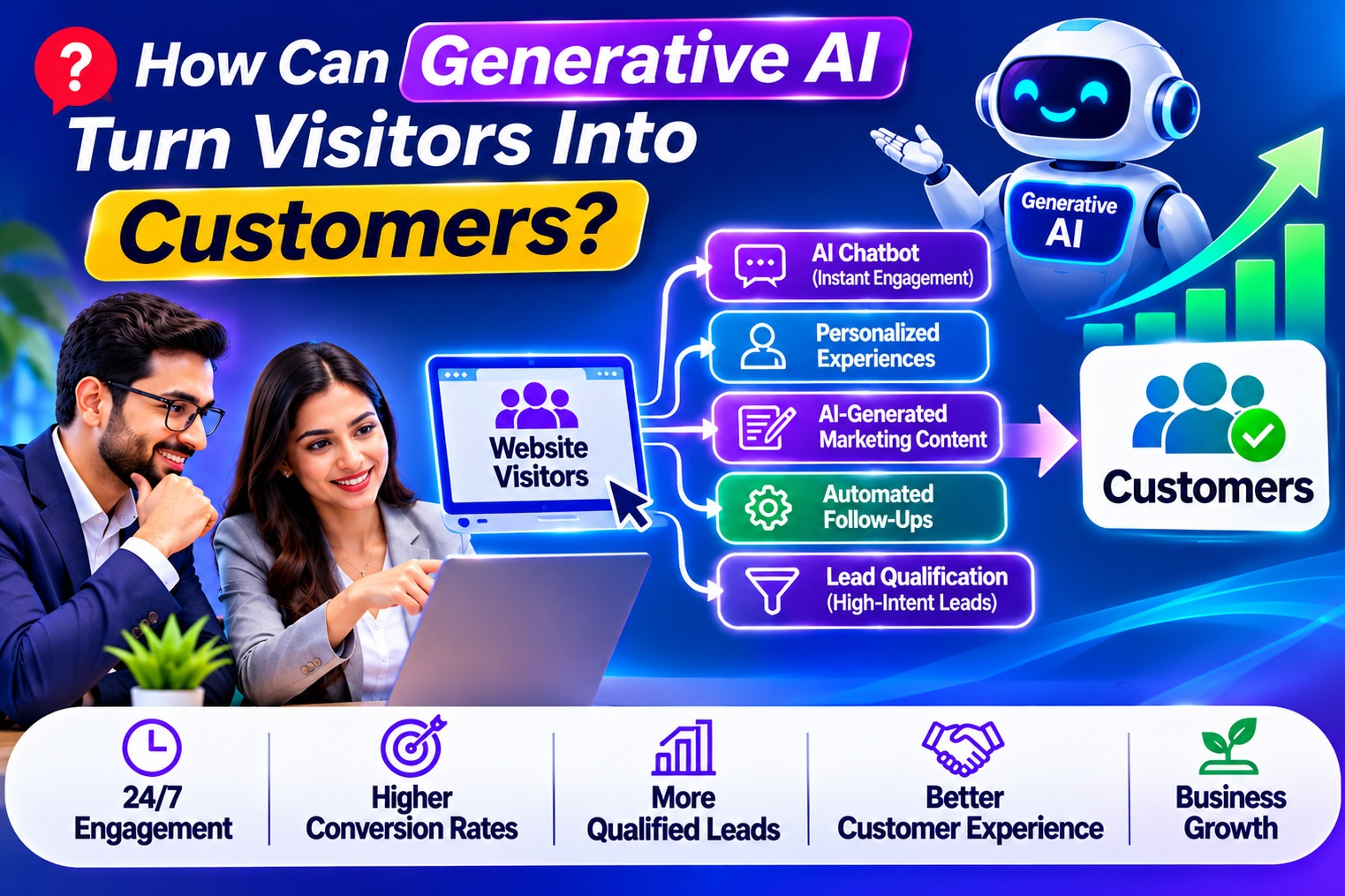
Running an e-commerce business is not just about attracting visitors to your website. The real challenge is converting those visitors into paying customers and encouraging them to return for future purchases.
Many online store owners invest heavily in digital marketing, paid advertisements, SEO, social media campaigns, and influencer promotions to bring traffic to their websites. However, despite receiving visitors, they often struggle with abandoned shopping carts, low conversion rates, fewer repeat purchases, and declining customer engagement.
Have you ever wondered why customers visit your online store, browse your products, add items to their shopping carts, and then leave without completing their purchases?
The answer could be hidden in your website experience, pricing strategy, checkout process, product presentation, customer support, or marketing approach.
In today's competitive digital marketplace, customers have countless options. If your website takes too long to load, your checkout process is complicated, or your product information is unclear, customers can easily switch to another online store.
The good news? These challenges can be addressed with the right e-commerce strategies.
Whether you operate a small online business, a growing D2C brand, a fashion store, an electronics shop, or a large E-commerce platform, implementing effective customer retention and conversion optimization strategies can help you improve sales, build customer loyalty, and achieve sustainable business growth.
In this guide, we will explore practical e-commerce strategies every store owner should implement to stop losing customers and turn more website visitors into loyal buyers.
1. Understand Why Customers Leave Your Online Store
Before improving your e-commerce performance, you need to understand why potential customers are leaving without making a purchase.
Customer behaviour provides valuable insights into what is working and what needs improvement.
Some common reasons customers abandon online stores include:
- Slow Website Loading: Customers may leave if your website takes too long to load.
- Complicated Checkout Process: Too many steps or unnecessary registration requirements can discourage purchases.
- Unexpected Additional Costs: Hidden delivery charges, taxes, or processing fees can create hesitation.
- Limited Payment Options: Customers expect convenient payment methods such as UPI, credit cards, debit cards, and digital wallets.
- Poor Product Descriptions: Incomplete product information makes purchasing decisions difficult.
- Lack of Trust: Missing reviews, unclear return policies, and limited business information can reduce confidence.
- Poor Mobile Experience: A website that does not work properly on smartphones can lose valuable customers.
- Delayed Customer Support: Customers may purchase from competitors if their questions remain unanswered.
Key takeaway: Understanding customer pain points is the first step towards improving conversions and building a successful online store.
2. Improve Your Website User Experience (UX)
Your website is your digital storefront. Just as customers expect a clean, organized, and welcoming physical store, they expect the same experience when shopping online.
A confusing website layout can negatively affect customer engagement and purchasing decisions.
Focus on creating a website that is simple, attractive, responsive, and easy to navigate.
Important website improvements:
- Create clear navigation menus and product categories.
- Display high-quality product images and videos.
- Include visible product prices and availability.
- Add prominent Add to Cart and Buy Now buttons.
- Optimize website loading speed.
- Make your website mobile-friendly.
- Provide clear shipping, return, and refund information.
- Use simple and consistent website layouts.
A seamless user experience helps customers find products faster, understand their benefits, and complete purchases with confidence.
3. Reduce Shopping Cart Abandonment
Shopping cart abandonment is one of the biggest challenges faced by online retailers.
Customers may add products to their carts but leave the website before completing payment. This represents a potential sales opportunity that your business may be missing.
Instead of focusing only on attracting new visitors, develop strategies to recover customers who have already shown purchase interest.
Effective cart abandonment strategies:
- Send automated abandoned-cart email reminders.
- Use WhatsApp notifications to remind customers about pending purchases, with appropriate consent.
- Offer limited-time discounts where commercially viable.
- Simplify your checkout process.
- Display delivery charges before the final checkout stage.
- Provide guest checkout options.
- Offer multiple secure payment methods.
- Show estimated delivery dates.
- Make return and refund policies easily accessible.
Example:
Imagine a customer adds a product worth ₹2,500 to their shopping cart but leaves without purchasing.
You can send a personalized reminder:
"Hi! You left something in your cart. Your selected product is still waiting for you. Complete your purchase today and enjoy a seamless shopping experience!"
A timely, relevant reminder can encourage interested customers to return and complete their purchases.
4. Build Customer Trust Through Reviews and Social Proof
Online customers cannot physically inspect products before purchasing. Therefore, trust plays an important role in their buying decisions.
Customer reviews, ratings, testimonials, and real product photographs help potential buyers understand what other customers think about your products.
Ways to build customer trust:
- Display genuine customer reviews and ratings.
- Add customer testimonials.
- Include real product images and demonstration videos.
- Display secure payment information.
- Publish transparent shipping and refund policies.
- Provide verified business contact information.
- Highlight product guarantees and warranties where applicable.
- Respond professionally to customer complaints.
Social proof can help reduce purchase hesitation and improve customer confidence.
5. Optimize Your Website for Mobile Shopping
Smartphones have become an important shopping channel. Customers increasingly use mobile devices to discover products, compare prices, read reviews, and complete purchases.
If your website is difficult to navigate on a smartphone, you could lose potential customers.
Mobile optimization checklist:
- Use responsive website design.
- Optimize images for mobile screens.
- Ensure buttons are easy to tap.
- Keep forms short and simple.
- Enable convenient mobile payment options.
- Minimize unnecessary pop-ups.
- Improve mobile website speed.
- Make product information readable without zooming.
A mobile-friendly shopping experience allows customers to browse and purchase products conveniently from anywhere.
6. Personalize the Shopping Experience
Customers appreciate online stores that understand their preferences and recommend relevant products.
Personalization helps businesses create meaningful customer experiences rather than showing the same products and offers to everyone.
Personalization strategies include:
- Recommend products based on browsing history.
- Suggest related and complementary products.
- Display personalized offers.
- Send product recommendations through email.
- Create customer segments based on purchasing behaviour.
- Offer loyalty rewards to repeat customers.
- Send reminders for products customers regularly purchase.
For example, if a customer purchases a laptop, your website could recommend laptop bags, wireless mice, keyboards, and accessories.
These relevant recommendations can increase average order value and improve customer satisfaction.
7. Use Digital Marketing to Bring Customers Back
Attracting new customers is important, but reconnecting with previous visitors and customers can also create valuable sales opportunities.
An effective digital marketing strategy combines multiple channels to engage customers throughout their buying journey.
Digital marketing channels every e-commerce business should consider:
Marketing Channel
Business Benefit
Search Engine Optimization (SEO)
Attract organic search traffic
Google Ads
Reach customers actively searching for products
Social Media Marketing
Increase brand awareness and engagement
Email Marketing
Build relationships and encourage repeat purchases
WhatsApp Marketing
Share updates, offers, and customer reminders with consent
Content Marketing
Educate customers and build brand authority
Remarketing
Re-engage eligible previous website visitors
A well-planned digital marketing strategy helps your business maintain visibility and stay connected with potential customers.
8. Implement Email and WhatsApp Marketing Automation
Following up manually with every customer can become difficult as your business grows.
Marketing automation allows e-commerce businesses to communicate with customers at the right time through relevant messages.
Useful automation campaigns:
- Welcome messages for new customers.
- Abandoned-cart reminders.
- Order confirmation notifications.
- Shipping and delivery updates.
- Post-purchase feedback requests.
- Birthday and anniversary offers.
- Repeat purchase reminders.
- Special promotional campaigns.
- Win-back campaigns for inactive customers.
For better results, personalize your communication and respect customer consent and communication preferences.
9. Improve Product Pages to Increase Conversions
Your product page is where customers make important purchasing decisions.
Even if your marketing campaigns generate significant traffic, poorly designed product pages can prevent visitors from completing their purchases.
Essential elements of a high-converting product page:
- Attractive product photographs.
- Clear product titles.
- Detailed product descriptions.
- Product specifications and features.
- Transparent pricing.
- Customer reviews and ratings.
- Delivery information.
- Return and refund policies.
- Frequently asked questions.
- Clear Add to Cart and Buy Now buttons.
Use persuasive but accurate product descriptions that explain how the product solves customer problems and delivers value.
10. Provide Excellent Customer Support
Customer service does not end after a customer places an order. It plays an important role throughout the entire customer journey.
Customers expect quick responses when they have questions about products, payments, delivery, cancellations, exchanges, or refunds.
Improve customer support through:
- Live chat functionality.
- WhatsApp Business support.
- Email assistance.
- Frequently Asked Questions (FAQs).
- Order tracking facilities.
- Clear complaint resolution procedures.
- Timely responses to customer enquiries.
- After-sales support.
Excellent customer service can turn a one-time buyer into a loyal customer who recommends your business to others.
11. Use Analytics to Understand Customer Behaviour
You cannot improve what you do not measure.
E-commerce analytics help store owners understand how visitors interact with their websites and identify opportunities to improve marketing performance.
Tools such as Google Analytics 4 and Google Search Console can help businesses understand website traffic, user engagement, and organic search performance.
Important e-commerce metrics to monitor:
Metric
What It Measures
Conversion Rate
Percentage of visitors completing purchases
Cart Abandonment Rate
Percentage of shopping carts not converted into purchases
Average Order Value (AOV)
Average revenue generated per order
Customer Acquisition Cost (CAC)
Cost of acquiring a new customer
Customer Lifetime Value (CLV)
Estimated value generated by a customer over time
Repeat Purchase Rate
Percentage of customers who purchase again
Bounce and Engagement Metrics
How visitors interact with your website
Review these metrics regularly to identify weak areas, optimize campaigns, and make data-driven business decisions.
12. Introduce Customer Loyalty and Reward Programs
Acquiring a new customer can require significant marketing investment. Encouraging existing customers to purchase again can help improve long-term business performance.
Customer loyalty programs reward customers for continuing to engage with your brand.
Popular loyalty program ideas:
- Points for every purchase.
- Exclusive discounts for returning customers.
- Referral rewards.
- Membership benefits.
- Special birthday offers.
- Early access to new products.
- Cashback or store credit.
- VIP customer benefits.
Create a simple loyalty program that provides genuine value to customers while supporting your business profitability.
13. The Role of Artificial Intelligence in E-Commerce Growth
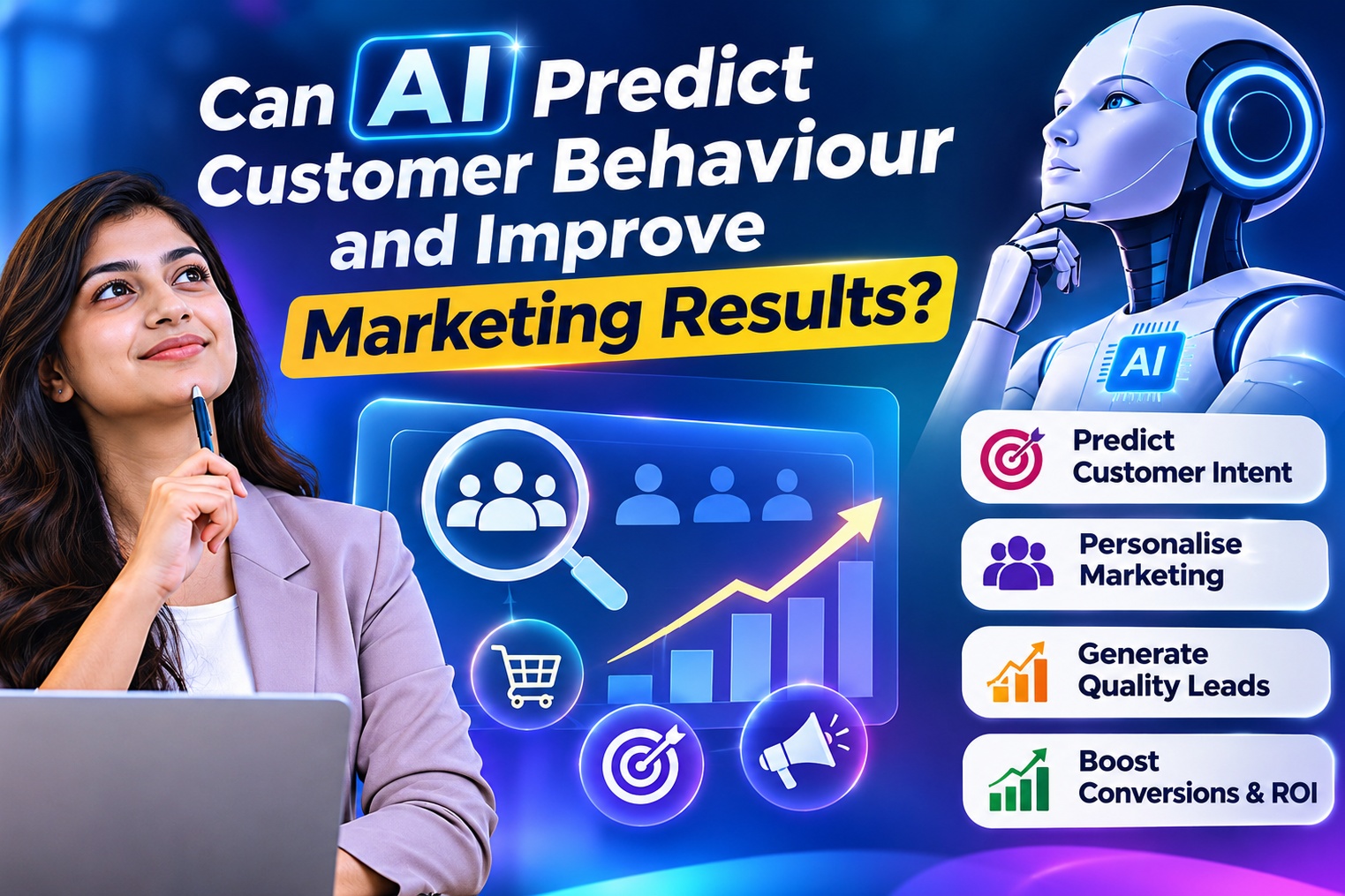
Artificial Intelligence (AI) is transforming how online businesses attract, engage, and retain customers.
AI-powered technologies can help businesses analyze customer behaviour, automate marketing activities, improve customer support, and personalize shopping experiences.
Practical AI applications for e-commerce:
- AI-powered product recommendations.
- Chatbots for customer enquiries.
- Automated email campaign optimization.
- Customer behaviour analysis.
- Personalized shopping experiences.
- AI-generated product descriptions.
- Sales forecasting and demand prediction.
- Customer segmentation.
- Fraud detection and suspicious transaction monitoring.
Businesses that adopt AI strategically can improve operational efficiency and deliver more relevant customer experiences.
14. E-Commerce Customer Retention Checklist
Use this checklist to evaluate whether your online store is prepared to attract, convert, and retain customers.
- Website loading speed is optimized.
- Website is mobile-friendly.
- Product descriptions are informative.
- Product images are high quality.
- Checkout process is simple.
- Multiple payment methods are available.
- Shipping and refund policies are transparent.
- Customer reviews are displayed.
- Abandoned-cart recovery is implemented.
- Email and WhatsApp follow-ups are configured.
- Customer support is easily accessible.
- SEO and digital marketing strategies are active.
- Website analytics are monitored.
- Customer loyalty programs are available.
- AI tools are evaluated for business automation.
15. Final Thoughts: Turn Website Visitors into Loyal Customers
Losing customers does not always mean your products are unsuitable or your marketing campaigns are ineffective. Sometimes, small issues in website design, checkout experience, communication, customer support, or product presentation can prevent potential buyers from completing their purchases.
The key to sustainable e-commerce growth is to focus on the complete customer journey.
From the first website visit to the final purchase and post-purchase experience, every interaction creates an opportunity to build trust and strengthen customer relationships.
Start by identifying the biggest challenges in your online store. Improve your website experience, simplify checkout, implement marketing automation, personalize product recommendations, and continuously monitor customer behaviour.
Remember, successful e-commerce businesses do not just focus on getting more website visitors. They focus on converting visitors, satisfying customers, and building long-term relationships.
Stop losing customers. Start improving conversions. Build an e-commerce business that customers love to return to.
Frequently Asked Questions (FAQs)
1. Why do customers leave an e-commerce website without purchasing?
Customers may leave because of high shipping costs, complicated checkout processes, slow website loading, limited payment options, unclear product descriptions, or a lack of trust.
2. How can I reduce shopping cart abandonment?
Simplify checkout, display transparent pricing, provide multiple payment options, offer guest checkout, and implement abandoned-cart email or WhatsApp reminders with appropriate consent.
3. What is the best way to increase repeat purchases?
Use customer loyalty programs, personalized product recommendations, email marketing, post-purchase engagement, and excellent customer support.
4. How does SEO help e-commerce businesses?
SEO improves your website's visibility in search engines, helping potential customers discover your products through relevant organic searches.
5. Is digital marketing important for an online store?
Yes. SEO, Google Ads, social media marketing, email marketing, content marketing, and remarketing help e-commerce businesses attract relevant audiences and generate sales opportunities.
6. How can AI improve e-commerce customer experience?
AI can support personalized recommendations, automated customer service, customer segmentation, demand forecasting, and marketing automation.
7. Which tools can help monitor e-commerce performance?
Google Analytics 4, Google Search Console, Google Tag Manager, and e-commerce platform analytics can help monitor website performance, customer behaviour, and marketing results.
Generate More Leads with SoftPro9 Digital Marketing Services:
Are you struggling to generate quality leads, improve website traffic, or convert website visitors into paying customers?
At SoftPro9 IT Services, we help businesses strengthen their online presence through result-oriented digital marketing strategies.
Our digital marketing services focus on helping businesses improve visibility, attract relevant audiences, and generate more business opportunities.
Our Digital Marketing Services Include:
- Search Engine Optimization (SEO)
- Local SEO and Google Business Profile Optimization
- Google Ads and Performance Marketing
- Social Media Marketing
- Facebook and Instagram Advertising
- Content Marketing and Blogging
- Email Marketing Automation
- WhatsApp Marketing
- Website Optimization and Conversion Rate Optimization
- AI-Powered Digital Marketing Solutions
Ready to Grow Your Business Online?
Discover how the right digital marketing strategy can help your business attract more customers and generate quality leads.
Connect with SoftPro9 IT Services to discuss your digital marketing requirements.
Free Consultation
Business Growth
Website: www.softpro9.com
Explore SoftPro9 Services
Explore Our Courses
Ready to master the skills discussed in this article? Check out our comprehensive course programs designed by industry experts.
Browse Courses →Explore Our Services
Looking to implement these concepts in your organization? Our services team can help you achieve your business goals.
View Services →



Comments
No comments yet. Be the first to comment!